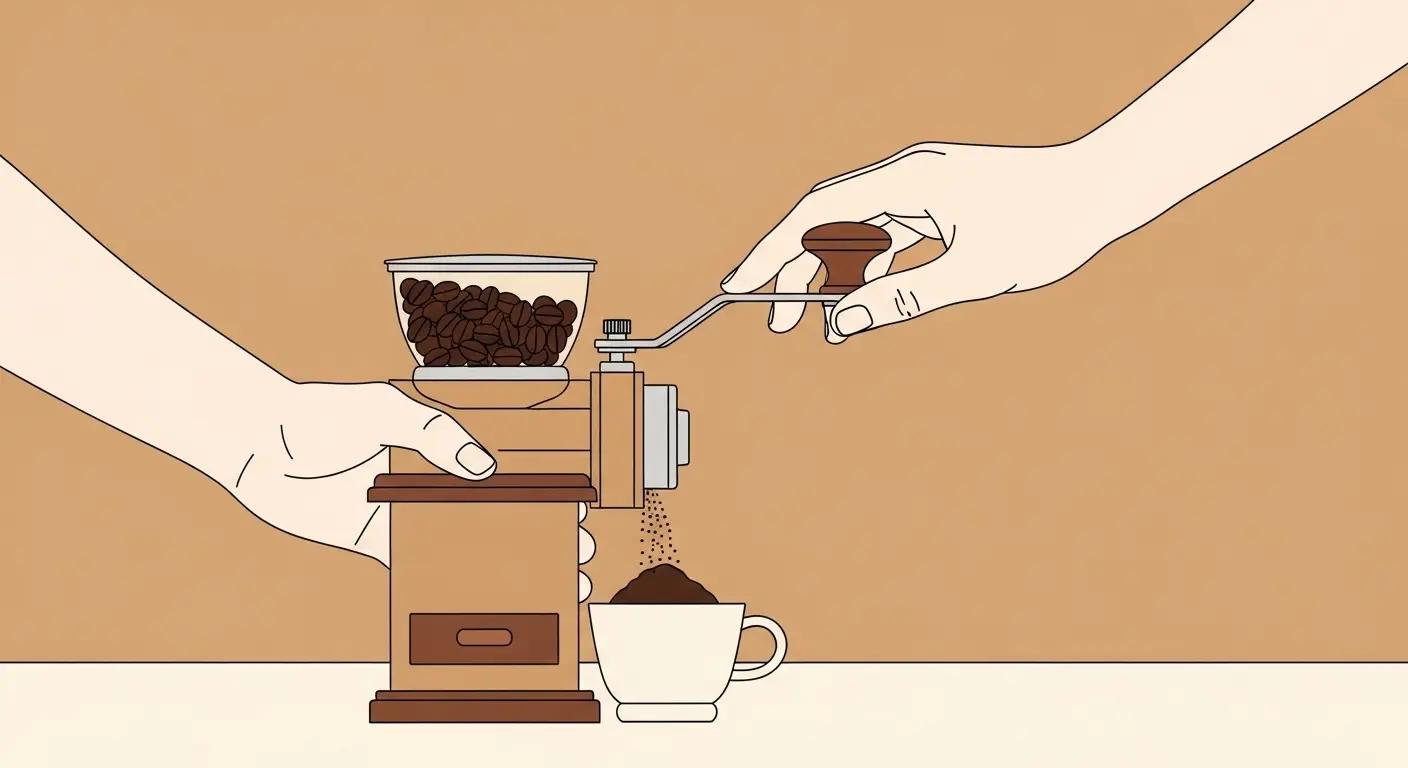
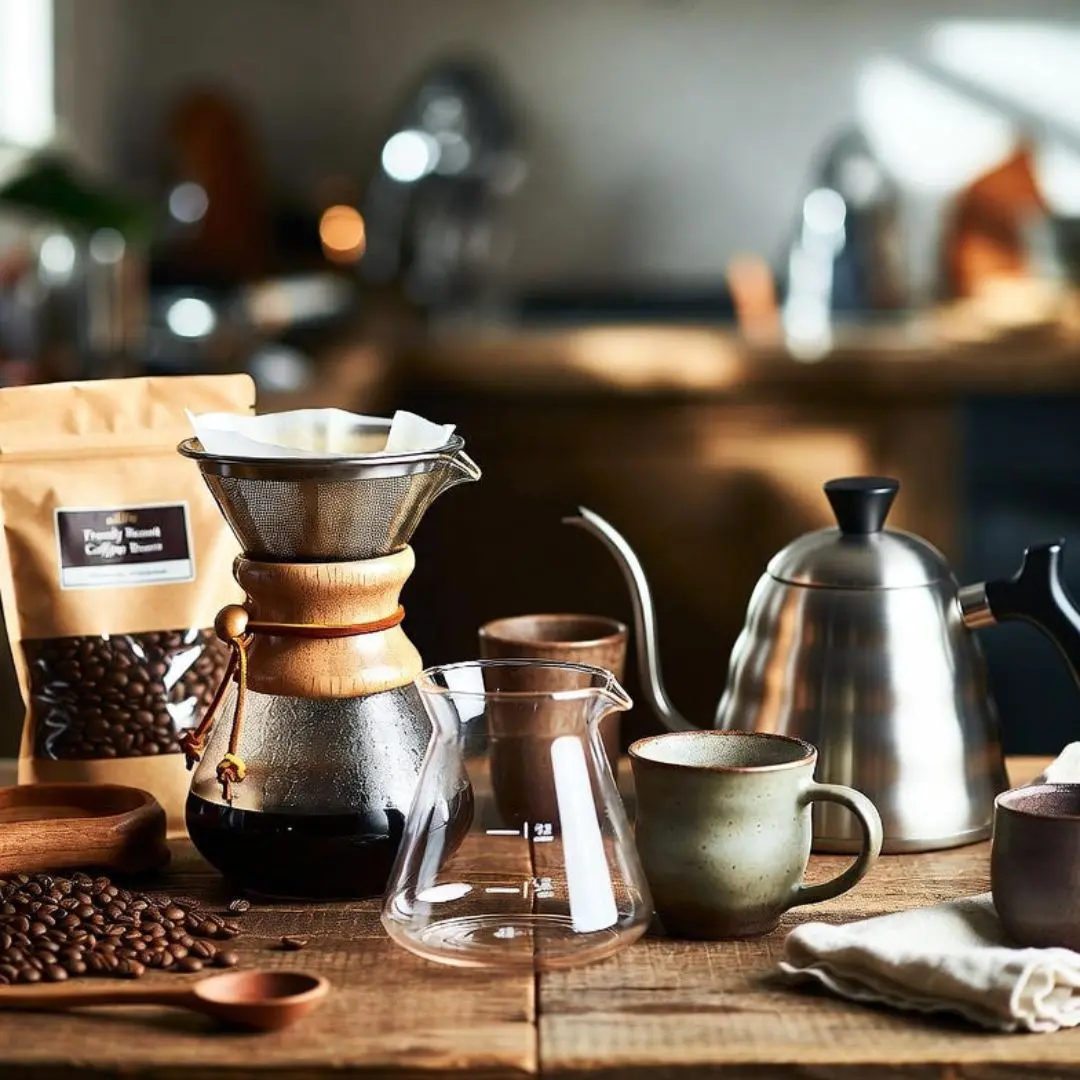
Pour-over coffee is more than just a brewing method; for many, it is a morning ritual. Unlike drip machines that automate the process, pour-over gives you total control over every variable: water temperature, flow rate, and immersion time.
In 2026, the market is flooded with “aesthetic” coffee gear, but not all of it performs well. To achieve a clean, vibrant cup that highlights the terroir of your beans, you need a specific set of essentials. In this guide, we categorize the must-have tools for a professional home setup.
The Category: Pour-Over Brewing
This category focuses on manual extraction. The goal of pour-over is to achieve a “clean” cup—meaning a coffee that is free of sediment and rich in clarity. This is primarily achieved through paper filtration and precise water distribution.
1. The Brewer (The Heart of the Setup)
Your choice of brewer determines the “flow” of your coffee. There are two main types of geometry in 2026:
Conical Brewers (e.g., Hario V60)
Conical brewers have a large hole at the bottom. This requires a more precise technique because the water flows directly through the center. It rewards the barista with high acidity and floral notes.
Flat-Bottom Brewers (e.g., Kalita Wave, April Brewer)
Flat-bottom brewers are more forgiving. They promote a more even extraction across the entire coffee bed, leading to a sweeter, more balanced cup. If you are just starting, we recommend a flat-bottom brewer for consistency.
2. The Gooseneck Kettle (Control is Key)
You cannot make a professional pour-over with a standard kitchen kettle. The “glug” of a wide-mouth kettle will agitate the coffee grounds too much, leading to uneven extraction.
Why Gooseneck?
A gooseneck kettle features a long, curved neck that allows you to control the flow rate down to the gram. In 2026, electric gooseneck kettles with “hold” functions are the standard. Being able to set your water to exactly 203°F (95°C) and keep it there is a game-changer for light-roasted specialty coffee.
3. The Precision Scale
In the world of Zaidly, we never “eyeball” the measurements. Coffee is chemistry. A 1:16 ratio (1 gram of coffee to 16 grams of water) is the sweet spot for most pour-overs.
Essential Features:
- 0.1g Accuracy: Essential for weighing beans.
- Built-in Timer: Crucial for tracking your “bloom” phase and total draw-down time.
- Water Resistance: Because spills are inevitable during a busy morning.
If you are looking for a grinder to pair with your new scale, see our Best Coffee Grinders of 2026 guide for the perfect match.
4. High-Quality Paper Filters
Many beginners overlook the filter, but it is the final barrier between the grounds and your cup. Cheap, unbleached paper filters can often leave a “cardboard” taste in your coffee.
Pro-Tip: Always rinse your paper filter with hot water before adding coffee. This pre-heats your brewer and washes away any residual paper dust.
5. Water Filtration
Coffee is 98% water. If your tap water tastes like chlorine or is too “hard” (full of minerals), your pour-over will taste dull. We recommend using a simple carbon filter pitcher or, for the true enthusiasts, “Third Wave Water” capsules that add the perfect mineral profile back into distilled water.
The Pour-Over Routine: A Quick Overview
- Grind: Medium-fine (resembling sea salt).
- Bloom: Pour twice the weight of the coffee in water and wait 30-45 seconds. This releases CO2.
- The Main Pour: Slowly pour in concentric circles, avoiding the very edges of the filter.
- Draw Down: The total brew time should usually fall between 3:00 and 4:00 minutes.
For a deeper dive into maintenance of your kettle and brewers, check our Maintenance Tools Guide.
Why We Advocate for Manual Brewing
At Zaidly, we believe that understanding the “why” behind the brew makes the coffee taste better. Manual brewing forces you to slow down. It’s a meditative start to the day that results in a superior flavor profile compared to any pod-based machine.
Support Zaidly’s Independent Research
We don’t take “sponsorships” from gear manufacturers. We buy our own kettles, brewers, and filters to ensure that our advice remains unbiased. Our goal is to save you money by helping you buy the right gear the first time.
If you appreciate these long-form, ad-free guides, consider supporting us on Ko-fi! Every “coffee” you buy us goes directly into our research fund for 2026 gear testing. Look for the blue support button at the bottom of your screen to join our community of coffee enthusiasts.