The pursuit of a better cup of coffee often begins with the grinder. It is the single most important piece of equipment in your brewing setup.
Many people, however, are hesitant to spend hundreds of dollars on a dedicated burr grinder.
They simply want a quick, affordable way to process their beans.
This is where the **Amazon Basics Electric Coffee Grinder** enters the conversation.
It is one of the most popular, and cheapest, options available today.
But is this budget-friendly appliance a genuine entry point into better coffee, or is it a false economy that will ultimately disappoint your palate?
We spent weeks testing this grinder to provide an objective, experience-driven review.
Our goal is to help you decide if this tool fits your specific coffee needs.
We will cut through the marketing language and exaggerated claims to deliver a practical, trustworthy assessment of its performance and limitations.
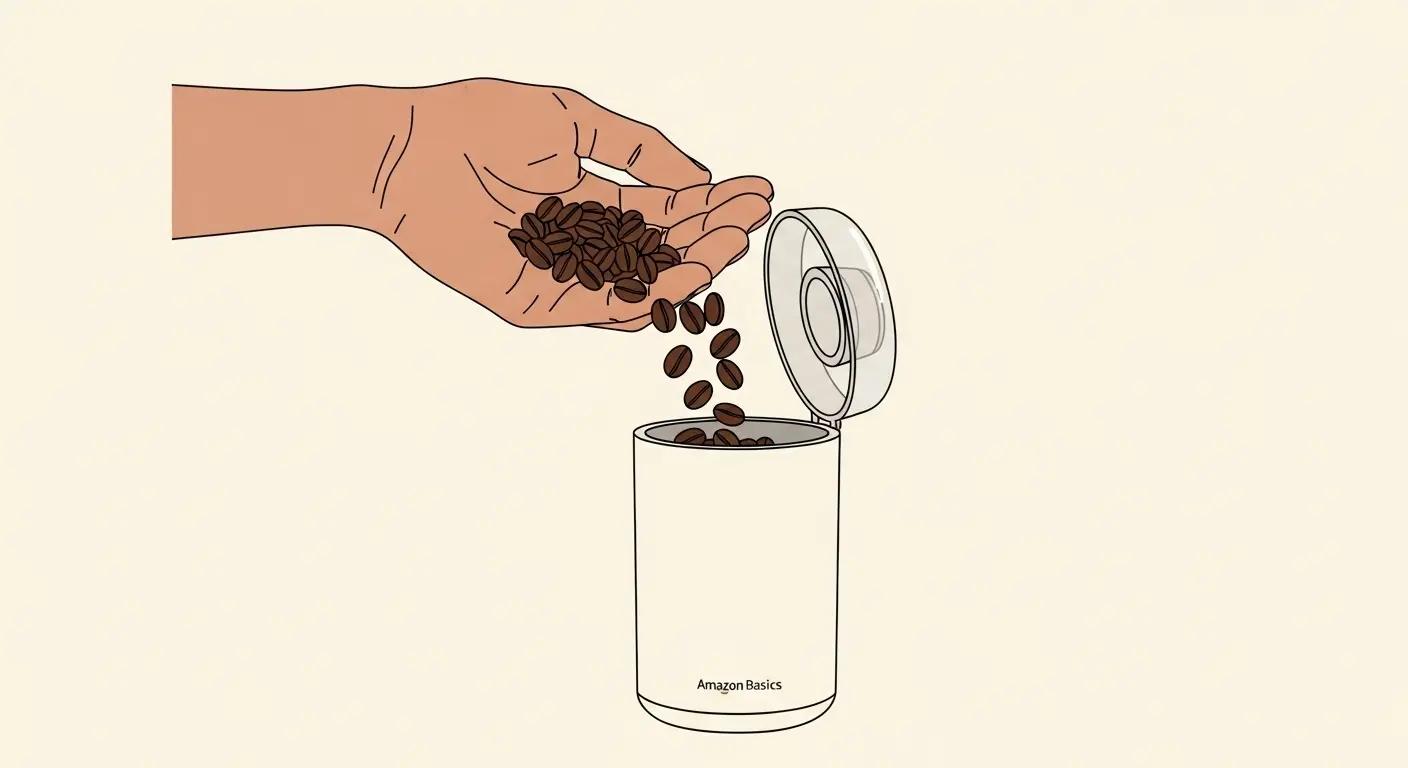
A hand pouring coffee beans into the Amazon Basics Electric Coffee Grinder.
Quick Comparison: Blade vs. Burr Grinders
Before diving into the review, it is crucial to understand the fundamental difference between grinder types.
This distinction is the key to setting realistic expectations for the Amazon Basics model.
The Amazon Basics Electric Coffee Grinder is a blade grinder. It uses a spinning metal blade, similar to a propeller, to chop the coffee beans.
This chopping action is fast and simple. It is also the source of the grinder's primary, unavoidable flaw: inconsistency.
A blade grinder does not truly "grind" the coffee. It shatters the beans into pieces of wildly varying sizes, from fine powder to large chunks.
This inconsistency is a major problem for brewing. When you brew coffee, the water extracts flavor from the grounds.
If the particles are different sizes, the extraction will be uneven. The fine particles will over-extract, tasting bitter and acrid.
The large chunks will under-extract, tasting sour and weak. The resulting cup is a compromise of conflicting, unpleasant flavors.
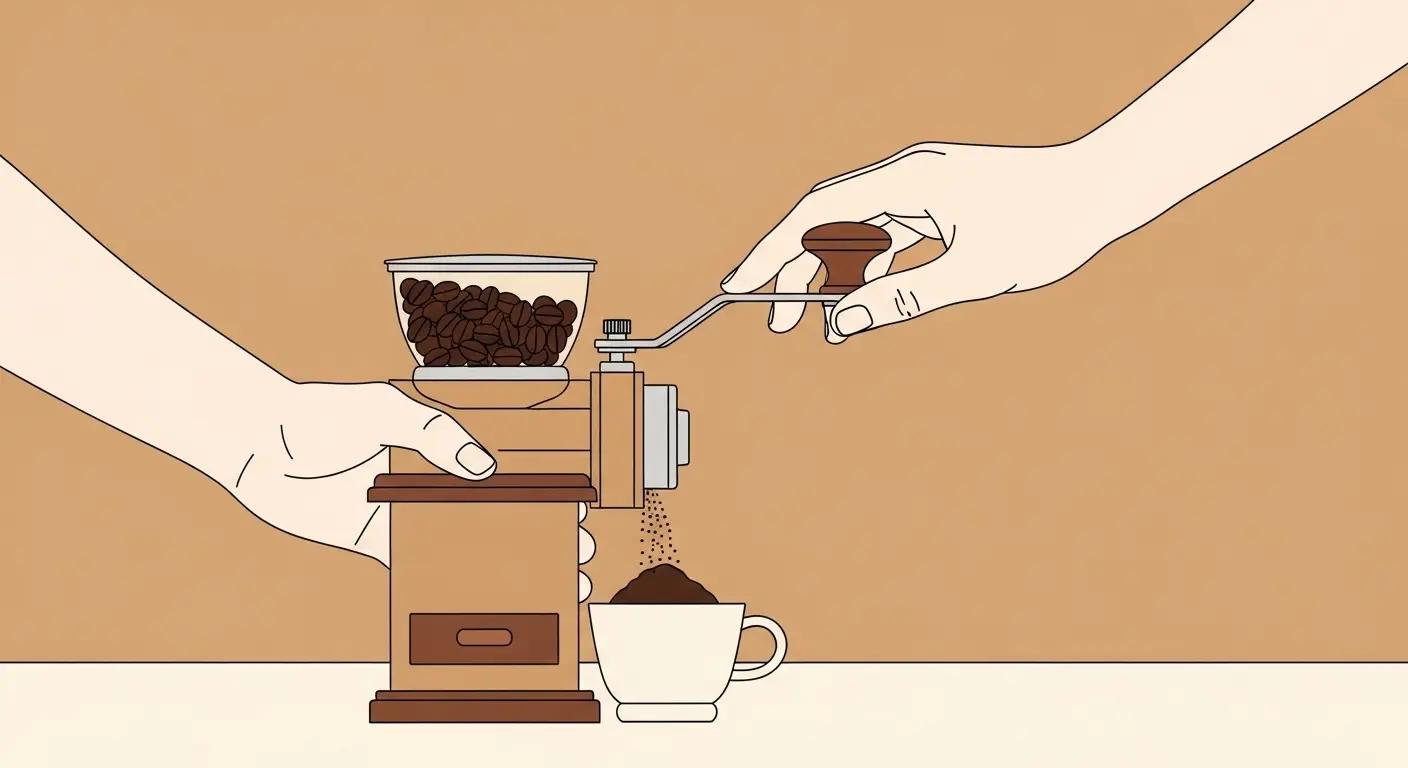
In contrast, a burr grinder uses two abrasive surfaces, or burrs, to crush the beans. These burrs are set at a precise distance from each other.
This mechanism ensures that every particle of coffee is a uniform size.
This consistency is what allows for a clean, balanced, and flavorful cup of coffee.
The price difference is significant. Blade grinders like the Amazon Basics model are typically under $30.
Quality burr grinders start around $100 and go up from there.
The trade-off is simple: convenience and low cost versus consistency and superior flavor.
Your personal coffee standards will determine which is the right choice.
Things You’ll Need / Key Features
When evaluating any coffee grinder, a few key features and decision criteria matter most.
For a blade grinder, the focus shifts from grind quality to capacity, power, and ease of use.
The Amazon Basics grinder is a compact, no-frills appliance. It is designed for simplicity and small-batch grinding for home use.
Capacity and Size
The grinder is notably small, which is a benefit for crowded countertops.
Its dimensions are approximately 3.72 inches long, 3.5 inches wide, and 6.9 inches high.
It weighs a mere 1.54 pounds, making it easy to move and store in a cabinet.
This small footprint is one of its most appealing features for apartment dwellers.
The grinding chamber has a capacity of about 2.1 ounces, or 60 grams, of whole coffee beans. This is enough to brew a full 8-cup pot of drip coffee.
The manufacturer claims it can grind 30 grams of beans for drip coffee in just 10 seconds.
Our testing confirmed this speed, though the resulting grind was far from ideal.
Construction and Design
The body is primarily plastic, but the grinding chamber and blade are stainless steel.
This is standard for the price point and helps with durability and cleaning.
It operates with a simple one-touch, pulse-style control. You press down on the lid to activate the blade and release it to stop.
There are no settings, timers, or grind size adjustments. The user controls the fineness by the duration of the pulse.
The cord is short, which can be inconvenient depending on your outlet placement. It also features a cord wrap in the base for neat storage.
Versatility
A major selling point for blade grinders is their versatility. The Amazon Basics model is marketed as a coffee bean and spice grinder.
This dual-purpose capability is genuinely useful. It allows you to keep your coffee flavor separate from strong spices like cumin or chili.
However, you must be diligent about cleaning between uses. Residual spice oils can ruin a batch of coffee, and vice versa.
Step-by-Step Guide: How to Get the Best Grind (and Avoid the Worst)
Since this is a blade grinder, the technique you use is far more important than with a precision burr grinder.
Moka Pot vs Espresso Machine: Which Brewing Method Is Right for You?
You must actively work to minimize the inherent inconsistency of the blade.
Part 1: **Measure** Your Beans Accurately
The first step to a better cup is always accurate measurement. Do not simply eyeball the beans or fill the chamber to the top.
Why this step matters: Overfilling the chamber will prevent the beans from circulating properly.
This leads to even worse inconsistency, with whole beans left at the bottom.
Use a digital kitchen scale to weigh your whole beans. A good starting ratio is 1 part coffee to 15 parts water (1:15).
For a single large mug (about 12 ounces of brewed coffee), you will need approximately 20 to 25 grams of whole beans.
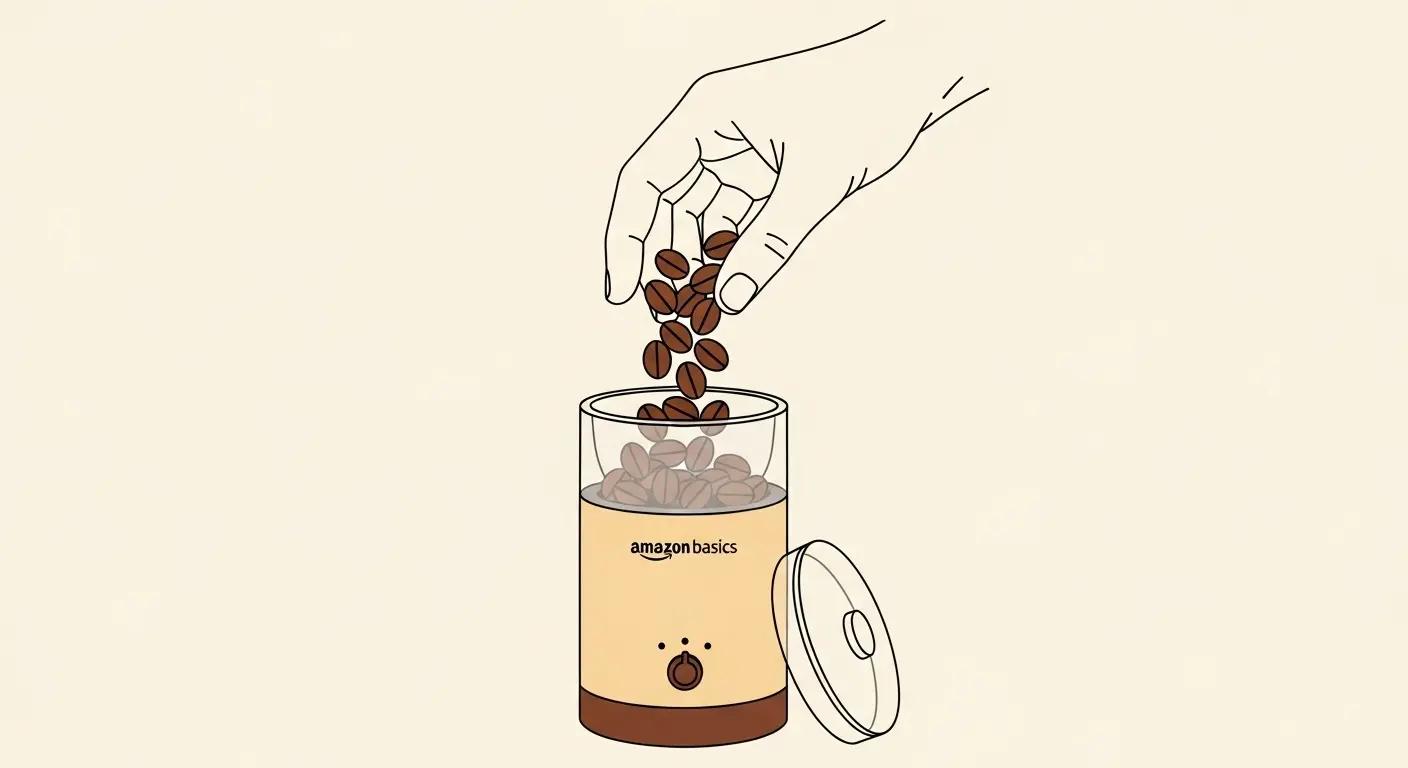
Pour the measured beans into the stainless steel chamber. Ensure the chamber is completely dry before adding the beans.
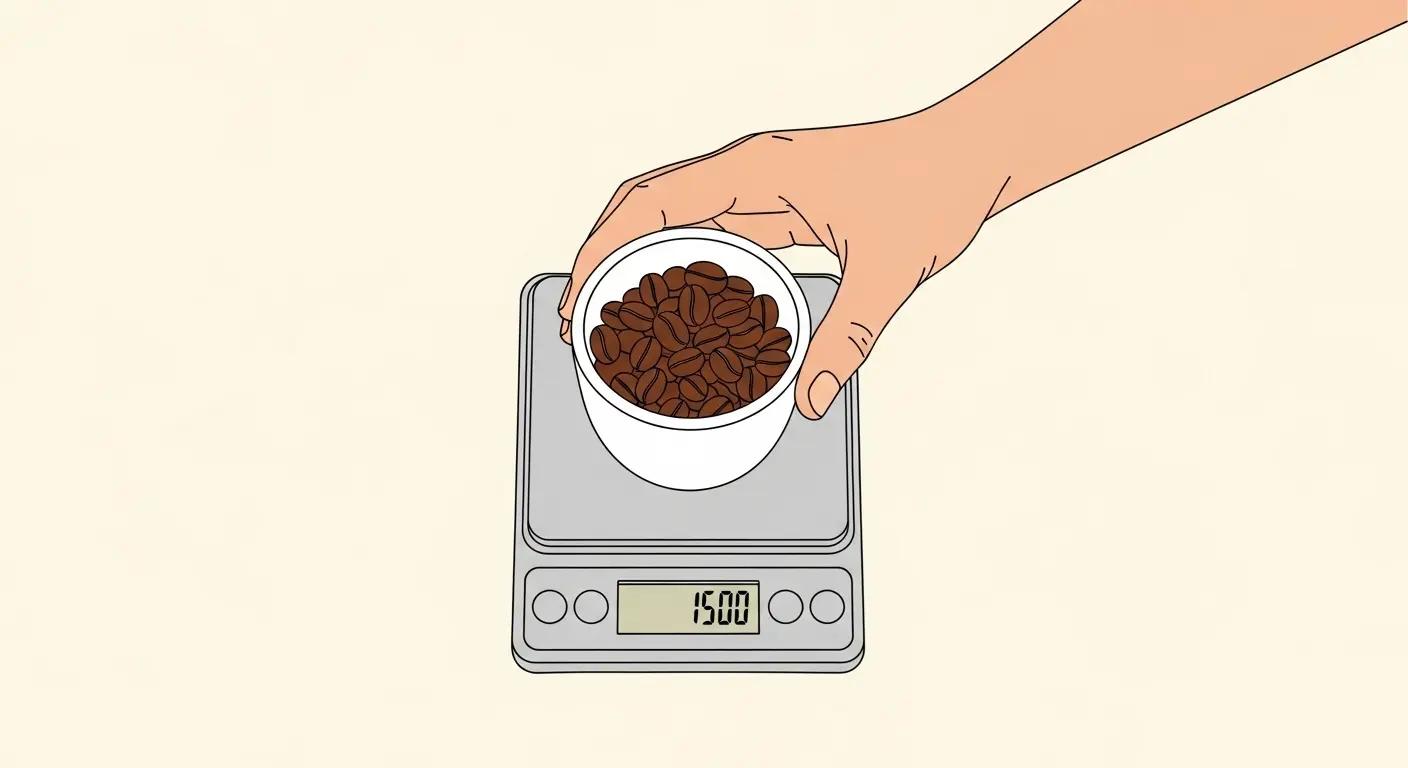
A hand weighing coffee beans on a digital scale before grinding.
Part 2: **Pulse** the Grinder, Do Not Run Continuously
The biggest mistake users make with a blade grinder is holding the button down for a long, continuous run.
This generates excessive heat and creates a massive amount of fine powder.
Why this step matters: Heat prematurely releases the volatile aromatic compounds in the coffee, dulling the flavor.
The fine powder will clog your filter and make your coffee taste bitter.
Instead of running continuously, use short, sharp pulses. Press the lid down for one second, then release. Repeat this action.
After every three to four pulses, lift the grinder and gently shake it. This is the key technique to improve consistency.
Shaking forces the larger chunks of coffee to fall back toward the blade, allowing them to be chopped further. This is known as the "shaking method."
Continue pulsing and shaking until you reach your desired consistency.
For drip coffee, this usually takes about 10 to 15 seconds of total pulsing time.
Part 3: **Check** the Grind Size Visually
Since there are no settings, you must rely on your eyes to determine when the grind is ready. Stop grinding just before you think you need to.
Why this step matters: The blade grinder creates a lot of dust.
If you grind too long, the heat and friction will rapidly turn your coffee into a fine, unusable powder.
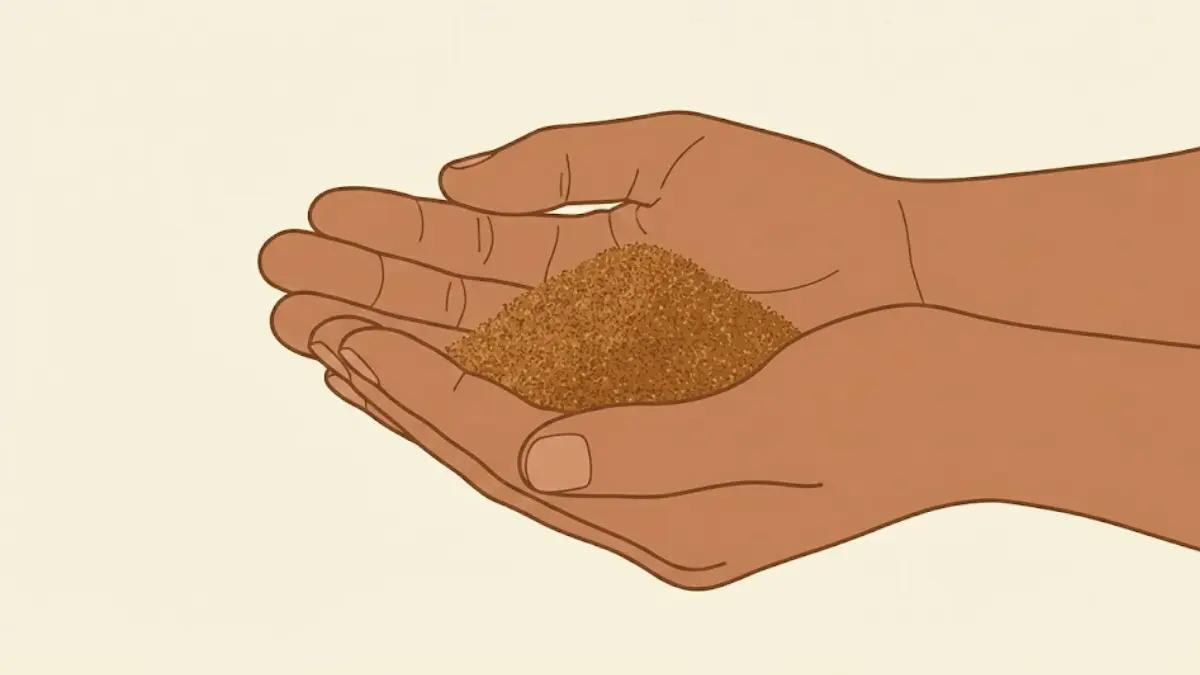
For a standard drip machine or pour-over, the grounds should resemble coarse sand or kosher salt. They should not look like fine table salt or flour.
To check, lift the lid and scoop a small amount of grounds onto a white paper towel. Look closely for large, unchopped pieces and excessive dust.
If you see too many large pieces, continue pulsing and shaking. If you see too much dust, you have gone too far, and the batch is compromised.
Part 4: **Clean** Immediately After Use
Coffee beans contain oils that quickly turn rancid and stale. These oils coat the inside of the grinding chamber and the blade.
Why this step matters: Old, rancid coffee oils will contaminate your fresh beans, giving your next cup a stale, unpleasant flavor. Immediate cleaning is essential for a blade grinder.
Since the chamber is not removable, you cannot rinse it with water.
Water and electricity do not mix, and moisture will cause the remaining coffee to clump and spoil.
The best method is to use a small, dry brush or an old toothbrush to sweep out the grounds.
A can of compressed air can also help dislodge stubborn particles.
For a deeper clean, especially after grinding spices, use the rice method. Grind one tablespoon of dry, uncooked white rice for about 30 seconds.
The hard rice grains will absorb the oils and scour the chamber walls. Empty the rice, then wipe the chamber with a dry paper towel.
Pros & Cons: The Honest Trade-Offs
The Amazon Basics Electric Coffee Grinder is a product defined by its compromises.
It excels in affordability and simplicity but falls short in the most critical area: grind quality.
| Feature | Pros | Cons |
| :--- | :--- | :--- |
| Price | Extremely affordable entry point for whole-bean coffee. | The low cost is directly tied to the poor grind quality. |
| Ease of Use | Simple one-touch operation; no complex settings to manage. | Requires constant pulsing and shaking to achieve a mediocre result. |
| Footprint | Compact, lightweight, and easy to store in small kitchens. | The small size contributes to heat buildup during grinding. |
| Versatility | Excellent for grinding spices, herbs, and nuts. | Cannot be used for fine grinds like true espresso or Turkish coffee. |
| Cleaning | Stainless steel chamber is easy to wipe down. | The chamber is non-removable, making deep cleaning difficult and risky. |
| Speed | Grinds a batch of beans in under 15 seconds. | The speed is a detriment, as it quickly over-pulverizes the coffee. |
The Realistic Downsides
The primary downside is the inconsistent grind size. This is not a flaw in the specific unit; it is an inherent limitation of all blade grinders.
If you are brewing with a French Press, the large chunks will pass through the mesh filter. This leaves you with a muddy, silty cup.
If you are using a pour-over cone, the fine powder will clog the paper filter. This leads to a slow, over-extracted, and bitter brew.
The second major drawback is the noise level.
This grinder is loud, producing a high-pitched, rattling sound that is jarring in a quiet morning kitchen.
Finally, the durability is questionable. The plastic body and simple motor are not built for years of heavy use.
Expect to replace this unit within a year or two of daily grinding.
Buying Guide: Who Should Buy This Grinder?
The decision to purchase the Amazon Basics Electric Coffee Grinder is less about the product itself and more about your personal coffee habits and priorities.
This grinder is not for the coffee enthusiast.
If you own a high-end pour-over device, an espresso machine, or a Chemex, this grinder will actively degrade your coffee quality.
It is also not for the person who values consistency above all else. The uneven particle size will always result in a compromised cup.
Who This Grinder Is Best For
The First-Time Whole Bean Buyer: If you are currently buying pre-ground coffee and want to try whole beans for the first time without a major investment,
this is a good starting point.
It will provide a noticeable freshness improvement over stale, pre-ground coffee.
It allows you to test the waters of home grinding before committing to a $100+ burr grinder.
The Spice Grinder: If your primary need is a dedicated, low-cost appliance for grinding spices, herbs, or nuts, this is an excellent,
cost-effective choice.
It keeps strong spice flavors out of your main coffee grinder.
The simple blade design is highly effective for breaking down dried ingredients.
The Cold Brew Maker: Cold brew is the most forgiving brewing method for inconsistent grinds.
The long, slow extraction minimizes the negative effects of the fine dust.
- If you exclusively make cold brew, the coarse grind setting you can achieve with the shaking method is perfectly adequate.
The Occasional Coffee Drinker: If you only drink coffee once or twice a month, the durability and consistency issues are less of a concern.
The convenience and low price outweigh the performance drawbacks.
Amazon Basics Electric Coffee Grinder, Coffee Bean and Spice Grinder, With Heavy-Duty Stainless Steel Grind Blades
Common Mistakes to Avoid
- Do not use it for espresso. Espresso requires an extremely fine, perfectly uniform grind.
This grinder cannot achieve it, and attempting to do so will damage your espresso machine.
- Do not grind for more than 15 seconds total. Over-grinding is the fastest way to ruin your coffee and overheat the motor.
Use the pulse and shake method.
- Do not use water to clean the chamber. Always use a dry brush or the rice method to avoid electrical hazards and rust.
FAQs: People Also Ask
Q: Is the Amazon Basics Electric Coffee Grinder a burr grinder?
A: No, this is a blade grinder. It uses a spinning blade to chop the coffee beans, which results in an inconsistent particle size.
A burr grinder uses two abrasive surfaces to crush the beans uniformly.
Q: Can I use this grinder for espresso?
A: We strongly advise against using this grinder for espresso.
Espresso machines require a very fine, consistent grind to build the necessary pressure.
This blade grinder cannot produce the required uniformity, which will lead to poor extraction and a weak, sour shot.
Q: How do I clean the Amazon Basics coffee grinder since the cup is not removable?
A: Since the chamber is attached to the motor, you must use a dry cleaning method. First, unplug the unit.
Use a small, dry brush to sweep out all the grounds.
For a deep clean, grind a tablespoon of dry white rice for 30 seconds to absorb oils, then wipe the chamber with a dry paper towel.
Q: What is the maximum amount of coffee beans I can grind at once?
A: The maximum capacity is approximately 2.1 ounces (60 grams) of whole beans. This is enough for a standard 8-cup drip coffee maker.
We recommend grinding slightly less than the maximum to ensure the beans can circulate properly for a more even chop.
Q: Will this grinder work for spices and nuts?
A: Yes, this grinder is excellent for spices, herbs, and nuts. Its simple, powerful blade is very effective at breaking down dried ingredients.
We recommend dedicating it to spices or thoroughly cleaning it with the rice method between coffee and spice uses to prevent flavor cross-contamination.
Final Verdict: A Functional, Flawed Entry Point
The Amazon Basics Electric Coffee Grinder is a product that delivers exactly what its price promises: a functional, but deeply flawed,
entry point into grinding whole beans at home.
It is a significant step up from buying pre-ground coffee.
The simple act of grinding fresh beans immediately before brewing will improve your cup, regardless of the grinder's limitations.
However, it is a poor tool for any serious coffee brewing method. The inconsistent grind size will always be the ceiling on your coffee quality.
If you are a budget-conscious buyer who primarily makes cold brew or needs a dedicated spice grinder, this is a sensible purchase.
It is a workhorse for simple tasks.
If you are looking to brew high-quality pour-over, French Press, or espresso, you should skip this model entirely.
Save your money and invest in a quality burr grinder.
The Amazon Basics grinder is a temporary solution, not a long-term investment.
It is a gateway product that will likely lead you to appreciate the value of a better grinder down the road.
Internal Links (Placeholder):
[1] Guide to Choosing the Right Coffee Brewer
[2] Understanding the 1:15 Coffee-to-Water Ratio
[3] The Best Budget Burr Grinders for Beginners
[4] How to Make Perfect Cold Brew at Home
External Links (Placeholder):