The world of coffee beans has shifted dramatically. In 2026, we are no longer just looking for “caffeine”; we are looking for terroir, ethical sourcing, and complex flavor clarity. Choosing the best coffee beans is the first—and most critical—step in your brewing journey. Even the most expensive equipment from our Coffee Gear Authority cannot fix old, low-quality beans.
In this comprehensive guide, we break down what makes a bean “the best” and how you can navigate the thousands of options available in the specialty market today.
1. What Defines ‘Specialty’ Coffee in 2026?
Not all beans are created equal. Most coffee sold in bulk at supermarkets is “Commodity Coffee,” which is grown for volume and often hides defects through ultra-dark roasting.
Specialty Coffee, however, refers to beans that have scored 80 points or higher on a 100-point scale by certified Q-Graders. These beans are grown in ideal climates, harvested at peak ripeness, and processed with extreme care. When you buy these beans, you aren’t just buying a drink; you are buying the hard work of a specific farmer.
2. Reading the Label: The Secret Language of Roasters
To find the best beans, you must learn to read the “hidden” information on the bag. A reputable roaster will always provide:
The Roast Date (The Holy Grail)
Forget the “Best Before” date. Coffee is a fresh agricultural product. For the best flavor, you should use beans that were roasted between 7 to 21 days ago. If a bag doesn’t have a specific roast date, it is likely not specialty grade.
Altitude (MASL)
Measured in Meters Above Sea Level (MASL). Generally, the higher the altitude, the denser the bean and the more complex the flavor. Look for beans grown above 1,500 MASL for those bright, floral, and acidic notes.
Process (Washed vs. Natural)
- Washed: The fruit is removed before drying. This leads to a “clean” cup with high clarity and bright acidity.
- Natural: The fruit is left on the bean while drying. This produces heavy-bodied coffee with intense fruit sweetness (often tasting like blueberries or strawberries).
3. Top Regions to Watch in 2026
Geography dictates flavor. Here is what to expect from the major coffee-producing regions this year:
Ethiopia: The Birthplace of Clarity
If you love tea-like consistency, jasmine aromas, and citrus notes, Ethiopian Yirgacheffe or Sidamo beans remain the gold standard. They are best enjoyed via Pour Over brewing.
Colombia: The Balanced Classic
Colombian coffee has evolved beyond the “nutty” stereotype. In 2026, high-altitude Colombian Geisha beans are winning awards for their incredible stone-fruit sweetness and silky mouthfeel.
Indonesia: Exotic and Bold
As a platform based in the heart of coffee culture, we have seen Indonesian beans (like those from Sumatra and Gayo) dominate the “bold” category. Expect earthy, spicy, and dark chocolate notes that pair perfectly with milk-based drinks.
4. Why ‘Freshly Ground’ is Non-Negotiable
You can buy the most expensive Panama Geisha beans in the world, but if you buy them pre-ground, they will lose 50% of their aromatic complexity within 15 minutes of opening the bag.
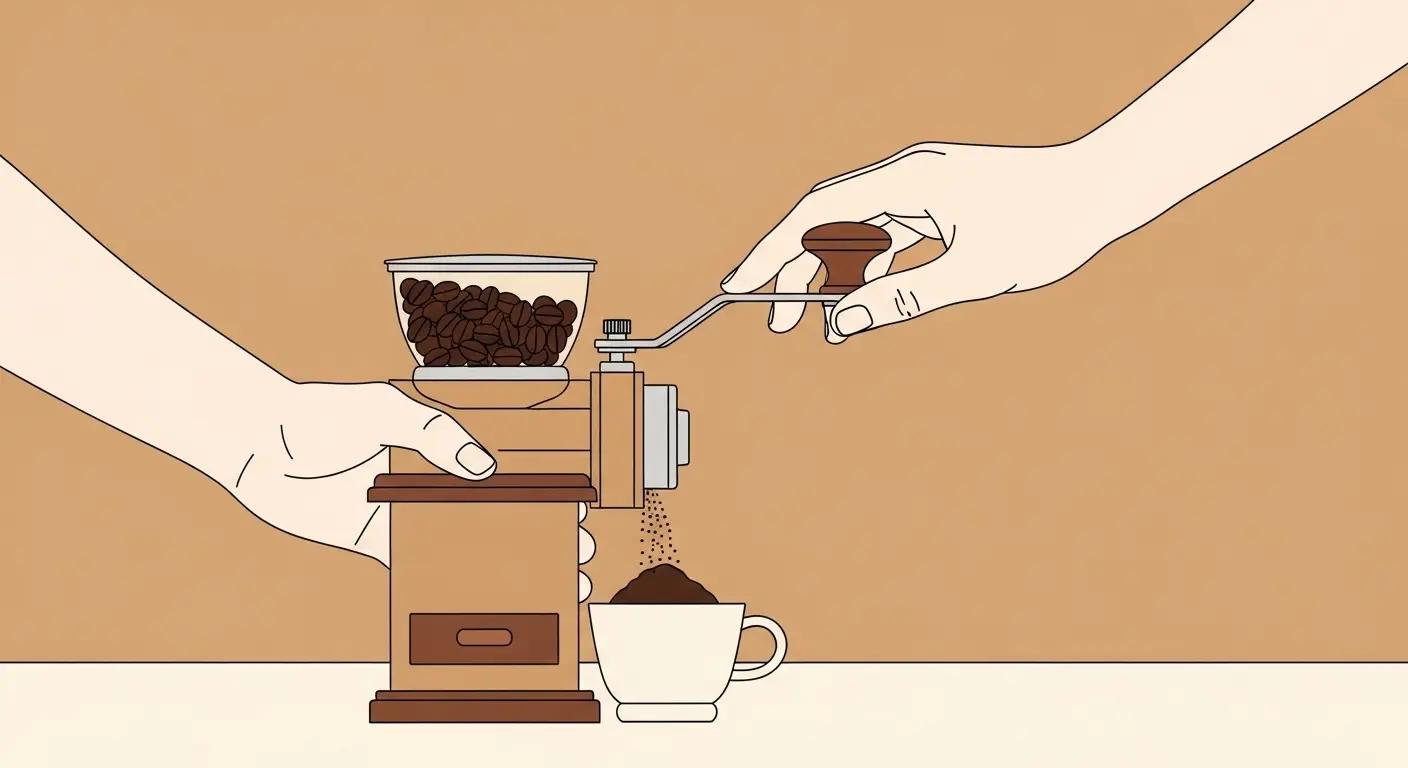
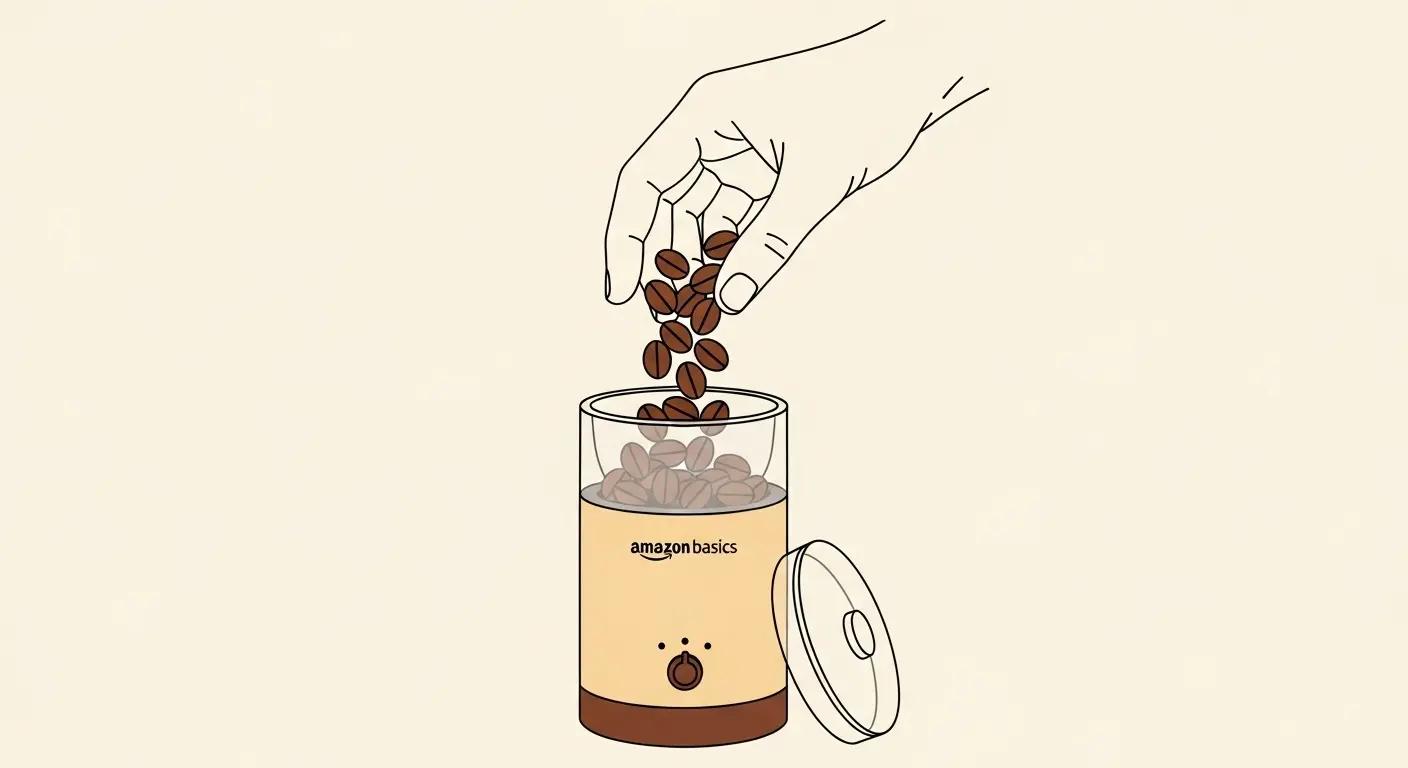
Oxygen is the enemy of flavor. We strongly recommend investing in one of the tools from our Top Coffee Grinders list to grind your beans seconds before you brew. The difference in quality is not just noticeable—it is transformative.
5. How to Spot Quality in 2026 (Pro Tips)
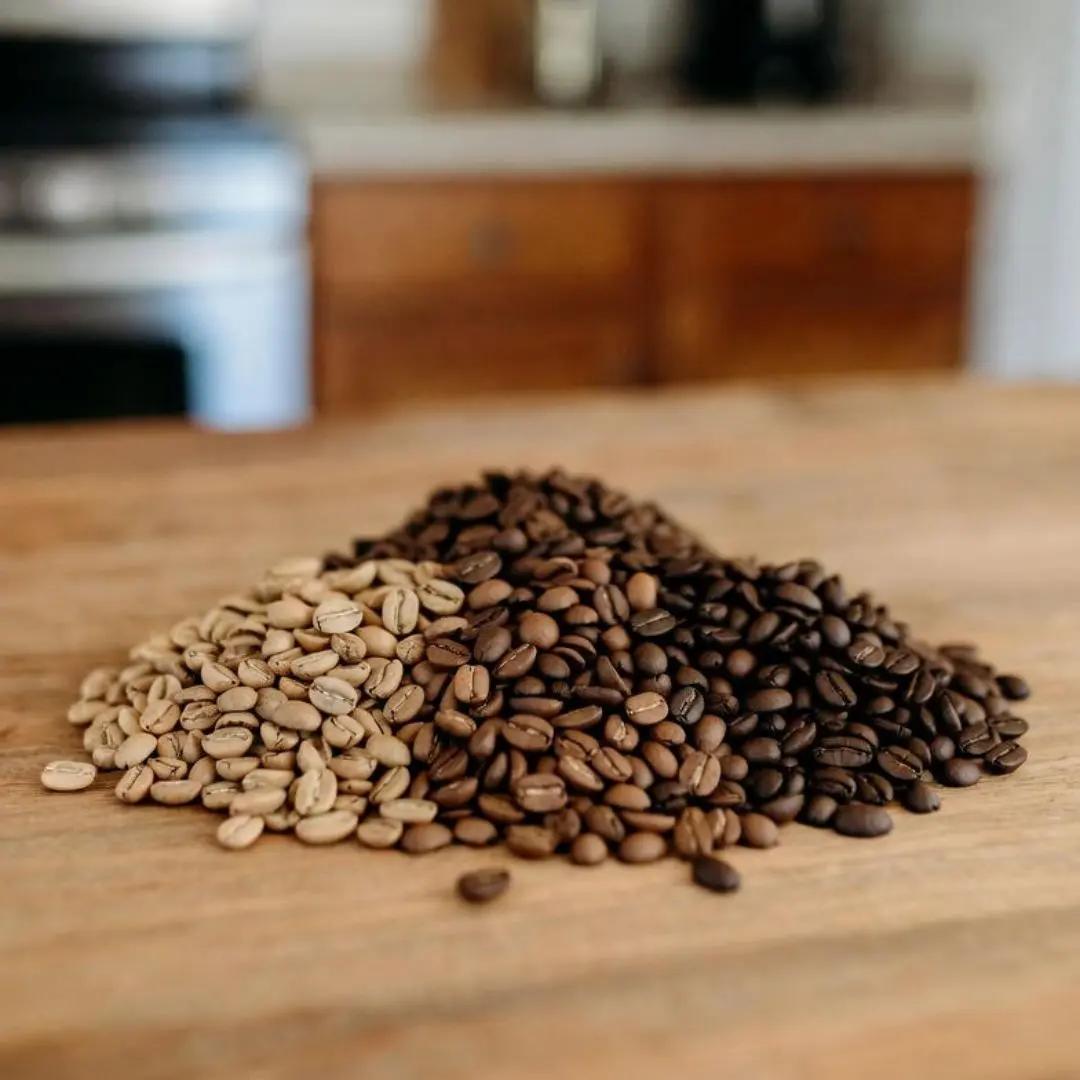
- Avoid Oily Beans: If the beans look shiny and black, they have been roasted too dark, destroying the unique flavors of the origin. Look for a matte finish.
- Check for Uniformity: The beans in the bag should be similar in size and color. Inconsistent beans lead to uneven extraction.
- Transparent Sourcing: The best roasters tell you exactly which farm or washing station the beans came from.
6. Sustainable and Ethical Choices
In 2026, the best coffee is also the most ethical. Look for “Direct Trade” labels. This ensures that the roaster paid the farmer a premium price, far above the commodity market rate, allowing the farm to reinvest in quality and sustainable labor practices.
Summary: Your Bean Buying Checklist
- Roast Date: Within the last 30 days.
- Origin: Single region or single farm for maximum clarity.
- Roast Level: Light to Medium for flavor, Dark for texture.
- Packaging: Sealed with a one-way valve to keep oxygen out.
Support Our Research
At Zaidly, we spend our days (and nights) cupping hundreds of samples from around the world to identify the best roasters and origins. We are not sponsored by any coffee brands, which means our reviews are 100% independent and honest.
If this guide helped you find your new favorite bag of beans, consider buying us a coffee! Your support on Ko-fi helps us fund our next cupping session and keep this site free from intrusive ads. Just look for the blue coffee icon in the corner of your screen.