When you walk into a specialty coffee shop or browse a roaster’s website, you are immediately confronted with two main categories: Single Origin and Blends. For the uninitiated, this choice can be paralyzing. Is Single Origin “better” because it’s usually more expensive? Is a Blend just a way to hide low-quality beans?
In 2026, the lines are blurring, but the fundamental purposes of these two types of coffee remain distinct. At Zaidly, we believe that neither is objectively better—they simply serve different moods, brewing methods, and flavor preferences. This guide will help you decode the label and choose the right bag for your morning ritual.
1. What Exactly is Single Origin Coffee?
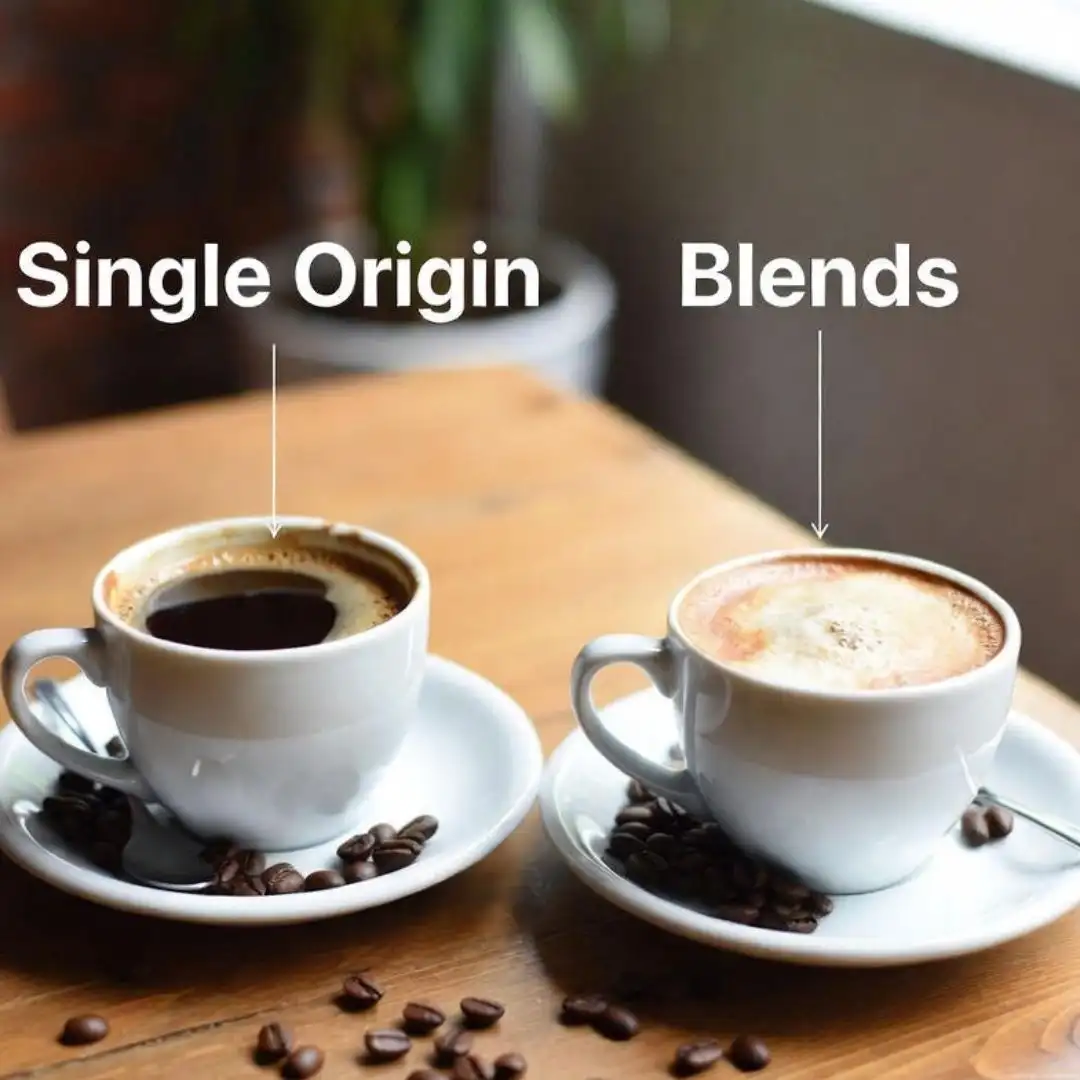
As the name suggests, Single Origin coffee comes from a single producer, a single harvest, or a specific region in one country. In the high-end specialty market, this often goes even deeper into “Micro-lots” (a specific plot of land on a farm) or “Nano-lots.”
The Appeal: A Sense of Place (Terroir)
The primary reason to drink Single Origin is to experience Terroir. Just like fine wine, coffee takes on the characteristics of the soil, altitude, and climate where it was grown. When you drink a Single Origin Ethiopian Yirgacheffe, you are tasting the specific floral and citrus notes unique to that high-altitude volcanic soil.
- Flavor Profile: Often exotic, bright, and distinct. It highlights the “soul” of the bean.
- Best Brewing Method: Primarily Pour Over or manual brewing where the delicate nuances won’t be overwhelmed by pressure or milk.
2. The Art of the Blend
A Coffee Blend is a mixture of two or more different beans. Historically, blends were used to mask poor-quality beans or to save money. However, in 2026, specialty roasters use blending as a form of high-level culinary art.
The Appeal: Balance and Consistency
The goal of a modern specialty blend is to achieve a flavor profile that a single bean cannot reach on its own. For example, a roaster might combine a chocolatey Brazilian bean for “body” with a fruity Ethiopian bean for “acidity.” The result is a balanced, complex, and reliable cup.
- Flavor Profile: Balanced, smooth, and predictable. Think “chocolate, nuts, and caramel.”
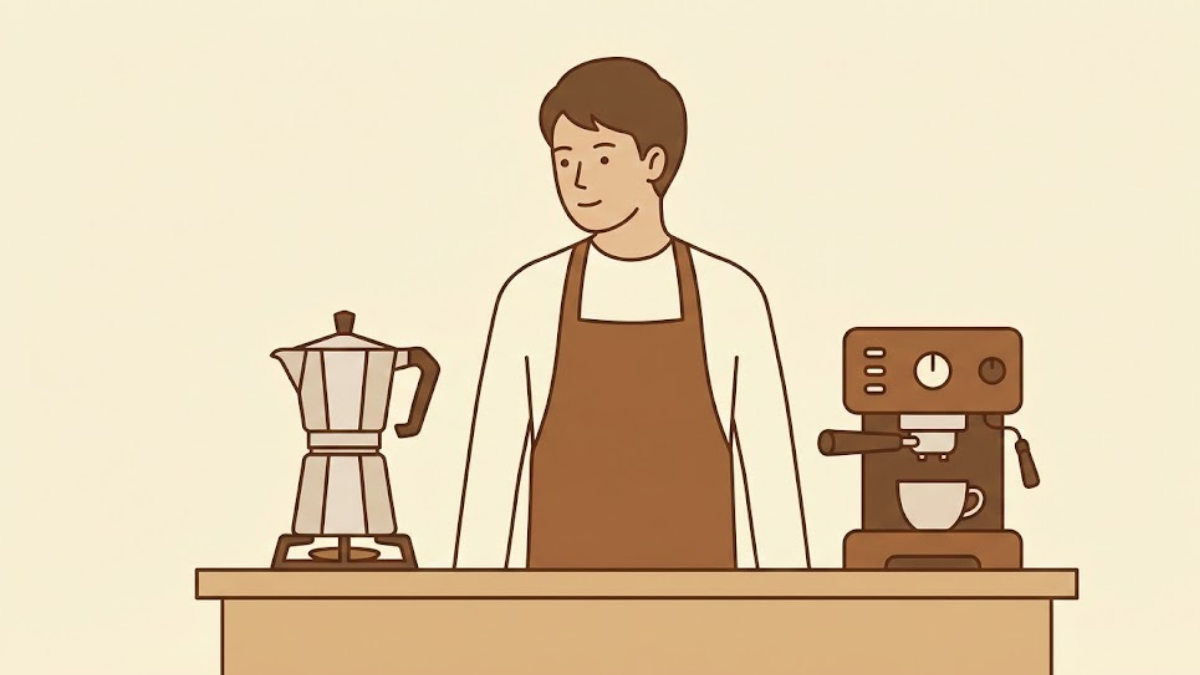
- Best Brewing Method: Espresso and milk-based drinks (Lattes, Cappuccinos). Blends are designed to “cut through” the sweetness of milk.
3. Comparing the Two: Side-by-Side
| Feature | Single Origin | Coffee Blend |
|---|---|---|
| Traceability | High (Down to the farm/lot) | Moderate (Usually regional) |
| Consistency | Seasonal (Varies by harvest) | Very Consistent year-round |
| Flavor Depth | High Clarity (One dominant note) | High Complexity (Multiple notes) |
| Best Enjoyed | Black / No Sugar | With Milk or as a classic Espresso |
| Price Point | Usually Higher | Usually More Accessible |
4. When to Buy Single Origin
You should reach for a bag of Single Origin if you are in an exploratory mood. If you want to sit down and truly analyze your coffee—noticing hints of jasmine, bergamot, or stone fruit—Single Origin is your best friend.
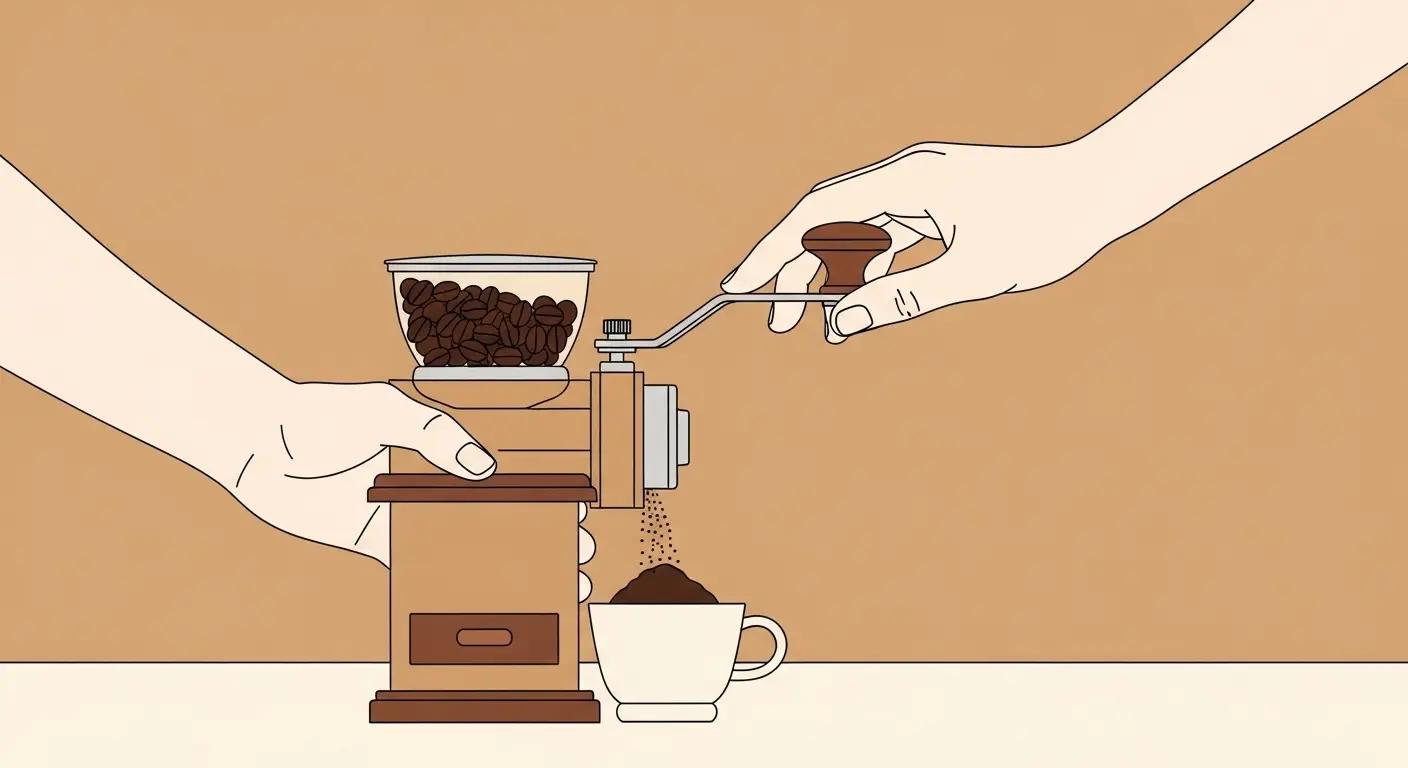
It is also the best choice for those using high-quality manual grinders. The precision of a burr grinder is required to unlock those specific regional notes that Single Origin is famous for.
5. When to Buy a Blend
Blends are the “Comfort Food” of the coffee world. If you want a consistent cup of coffee every morning that tastes exactly like the one you had yesterday, a house blend is the way to go.
Blends are also significantly more forgiving to brew. If your technique isn’t perfect, a blend will still taste great. Single origins, on the other hand, can be quite “fussy” and require precise Maintenance Tools and clean equipment to shine.
6. The 2026 Trend: The ‘Seasonal’ Blend
A new trend we are seeing at Zaidly is the rise of the Seasonal Blend. Roasters are now creating blends that change every few months based on what is fresh. This gives you the consistency of a blend but the excitement and freshness of a single origin. It’s the best of both worlds.
Final Verdict: Which should you put in your hopper?
- Choose Single Origin if: You drink your coffee black, use a V60 or Chemex, and love acidic, fruity, or floral flavors.
- Choose a Blend if: You add milk/cream, use an Espresso machine or French Press, and prefer traditional “coffee” flavors like cocoa and toasted nuts.
Support Zaidly’s Independent Coffee Research
We don’t take “kickbacks” from roasters to promote their beans. We buy our own bags, perform our own cuppings, and share the results with you so you can avoid spending money on stale or over-roasted coffee.
If this guide helped you choose your next favorite bag, consider buying us a coffee on Ko-fi! Every donation helps us explore more single origins and seasonal blends from around the globe. Look for the blue support icon on this page to help keep our content independent and ad-free.