In the world of specialty coffee, the “Roast Level” is perhaps the most debated topic among enthusiasts. Walk into any specialty cafe in 2026, and you’ll likely hear terms like “City Roast,” “Full City,” or “Cinnamon Roast.” For the average drinker, these terms can be baffling. Does a Dark Roast have more caffeine? Is a Light Roast supposed to taste like tea?
At Zaidly, we believe that understanding the roasting process is the key to unlocking your personal coffee preference. The roast doesn’t just change the color of the bean; it fundamentally alters its chemical structure and flavor profile. This guide will walk you through everything you need to know about the spectrum of coffee roasting.
1. The Roasting Spectrum: What Happens in the Drum?
Roasting is the process of applying heat to green coffee beans to transform them into the aromatic brown beans we know and love. During this process, the beans undergo a series of chemical reactions, most notably the Maillard Reaction and Caramelization.
The longer the bean stays in the roaster, the more the original “origin flavors” are replaced by “roast flavors.”
2. Light Roast: The Purist’s Choice
Light roasts are removed from the roaster shortly after the “First Crack” (a sound similar to popcorn popping). These beans are light brown in color, have a matte finish (no oil), and are very dense.
Characteristics:
- Flavor Profile: High acidity, floral aromas, and fruity notes. Think of lemon, hibiscus, or green apple.
- The Experience: Light roasts are often tea-like in body. They highlight the terroir—the unique taste of the soil and climate where the coffee was grown.
- Best For: Pour Over Essentials like the Hario V60 or Chemex.
- Caffeine Myth: Contrary to popular belief, light roasts actually contain slightly more caffeine by volume because the beans are denser and have lost less mass during roasting.
3. Medium Roast: The Balanced Middle Ground
Often referred to as “American Roast” or “City Roast,” medium roasts are the most popular choice for home brewers. They are removed just before the “Second Crack.”
Characteristics:
- Flavor Profile: A balance of acidity and sweetness. You will start to taste more “traditional” coffee notes like chocolate, caramel, and toasted nuts.
- The Experience: More body than a light roast but without the bitterness of a dark roast.
- Best For: Drip coffee makers, French Press, and even AeroPress.
4. Dark Roast: Bold, Rich, and Intense
Dark roasts are roasted until the “Second Crack” or beyond. These beans are dark brown, sometimes nearly black, and often have a shiny, oily surface.
Characteristics:
- Flavor Profile: Low acidity and high bitterness. The flavors are dominated by the roasting process itself—think dark chocolate, smoke, molasses, and charcoal.
- The Experience: Heavy, syrupy body with a long-lasting smoky finish.
- Best For: Espresso and milk-based drinks (Lattes/Cappuccinos) because the bold flavor can cut through the sweetness of the milk.
- Pro-Tip: Make sure your Maintenance Tools are ready, as oily dark roast beans can build up residue in your grinder much faster than dry light roasts.
5. Comparison Table: At a Glance
| Feature | Light Roast | Medium Roast | Dark Roast |
|---|---|---|---|
| Color | Light Brown (Tan) | Medium Brown | Dark Brown/Black |
| Oil on Surface | None (Matte) | Rare | High (Shiny) |
| Acidity | High (Bright) | Medium | Low |
| Body | Thin (Tea-like) | Medium | Heavy (Syrupy) |
| Origin Character | Very High | Balanced | Low (Roast flavor dominates) |
6. How to Choose Based on Your Equipment
Your Coffee Gear Authority setup should influence your choice of roast:
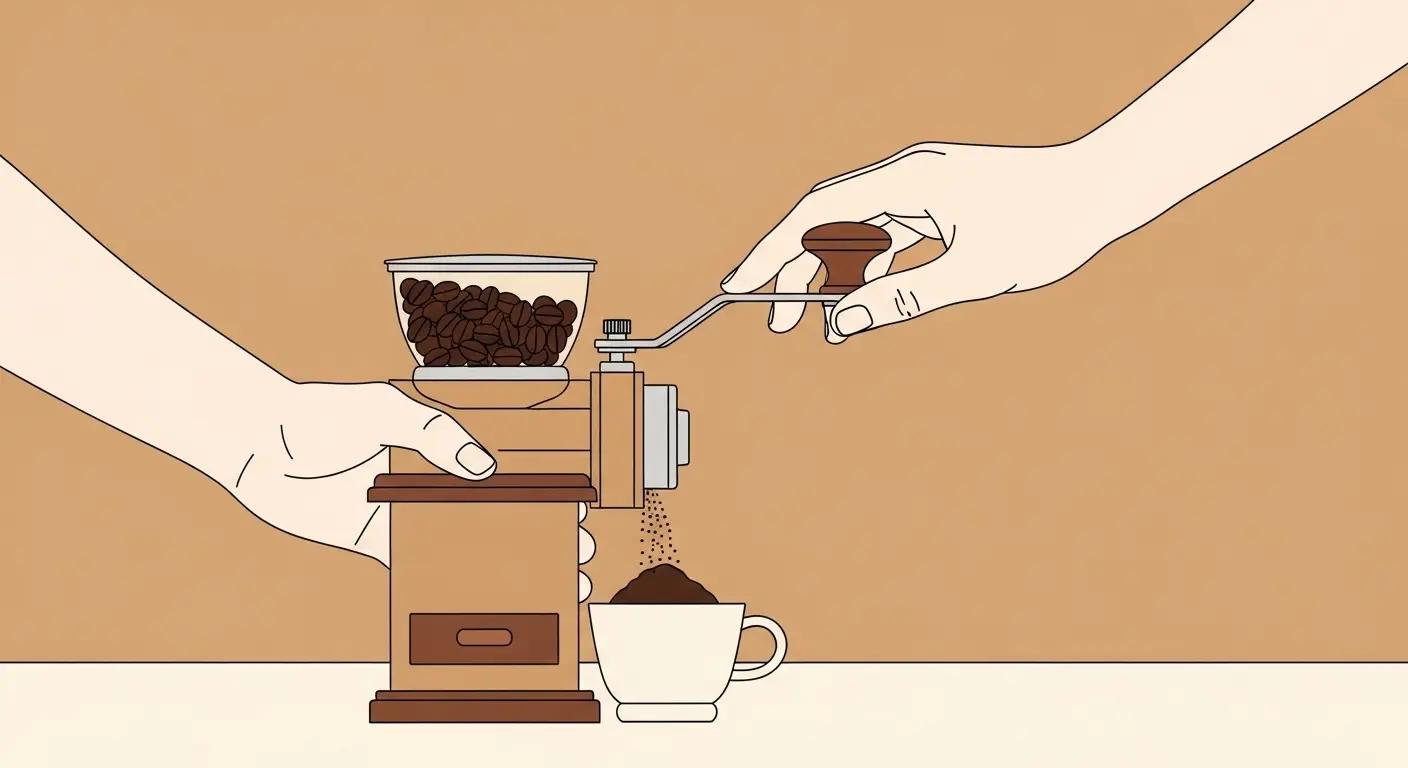
- If you have a high-end Burr Grinder: You can handle the density of Light Roasts. A cheap grinder will struggle to crush these hard beans consistently.
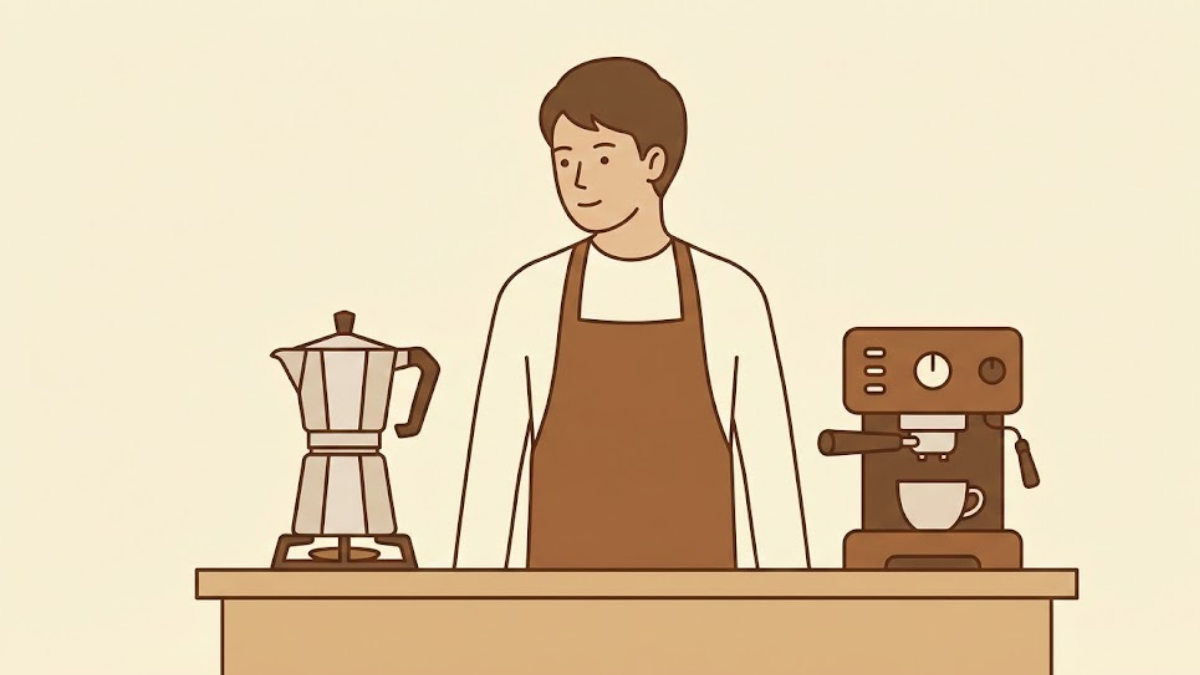
- If you use an Espresso Machine: A Medium-Dark Roast is your safest bet for a classic syrupy shot.
- If you brew Pour-Over: Stick to Light or Medium roasts to appreciate the delicate acidity that manual brewing provides.
7. The Science of the ‘Roast Date’
Regardless of the roast level, freshness is king. As we mentioned in our guide on Best Coffee Beans, coffee starts to oxidize the moment it leaves the roaster. Dark roasts actually go stale faster because the oils on the surface are exposed to oxygen immediately. Always look for a “Roasted On” date within the last 30 days.
Final Thoughts: There is No ‘Right’ Roast
The best roast is the one you enjoy the most. However, if you have only ever tried supermarket dark roasts, we challenge you to try a specialty Light Roast Ethiopian coffee. It might just change your entire perspective on what coffee can be.
At Zaidly, we are dedicated to helping you explore the full spectrum of coffee. Whether you love the brightness of the sun or the darkness of the night, we have the guides to help you brew it perfectly.
Support Our Independent Education
Zaidly is 100% independent. We are not owned by a roasting company, which means we can tell you the truth about roast quality without bias. We spend our own resources to bring you these deep-dives into coffee science.
If this guide helped you find your favorite roast profile, please consider supporting our work! Your donations on Ko-fi allow us to continue our research and keep this site ad-free for everyone. Click the blue coffee button to buy us a cup—we promise to roast it perfectly!