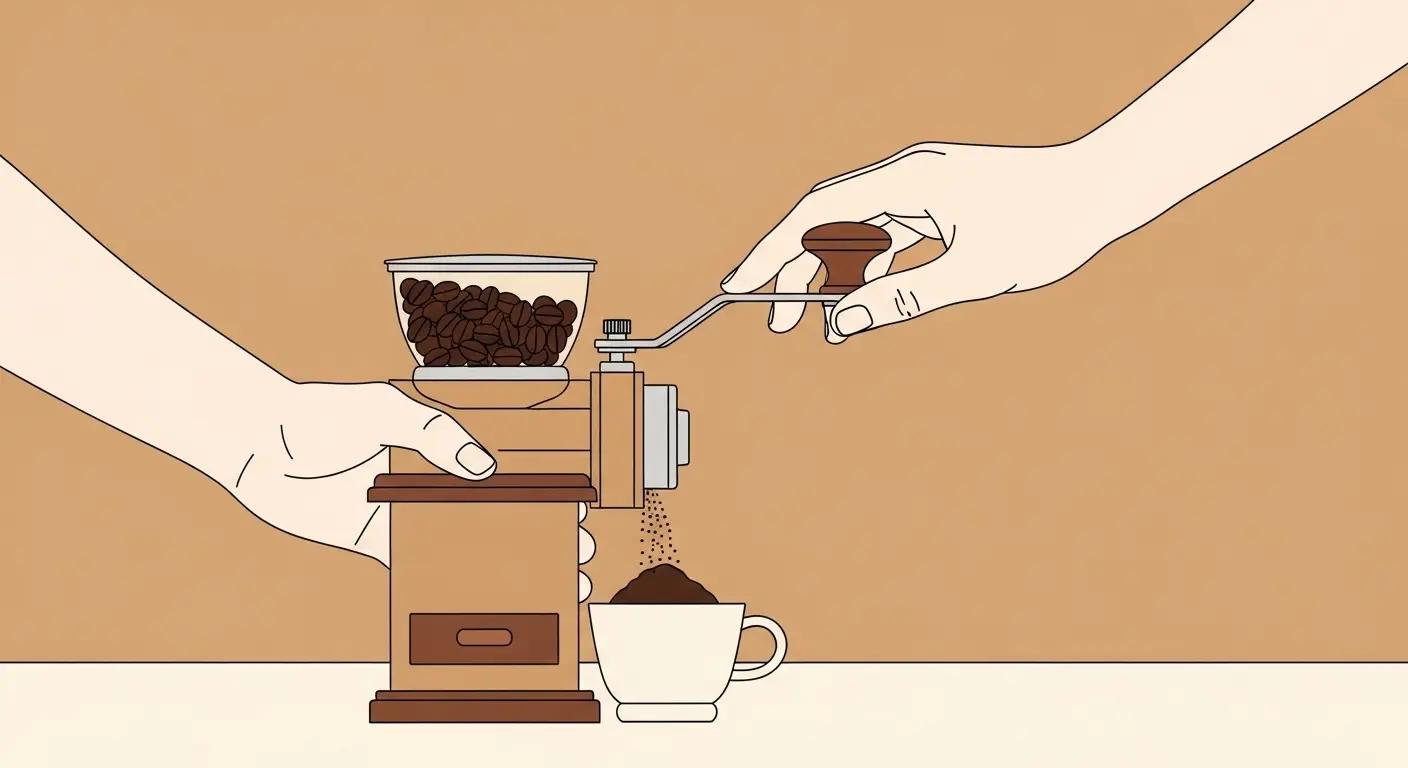
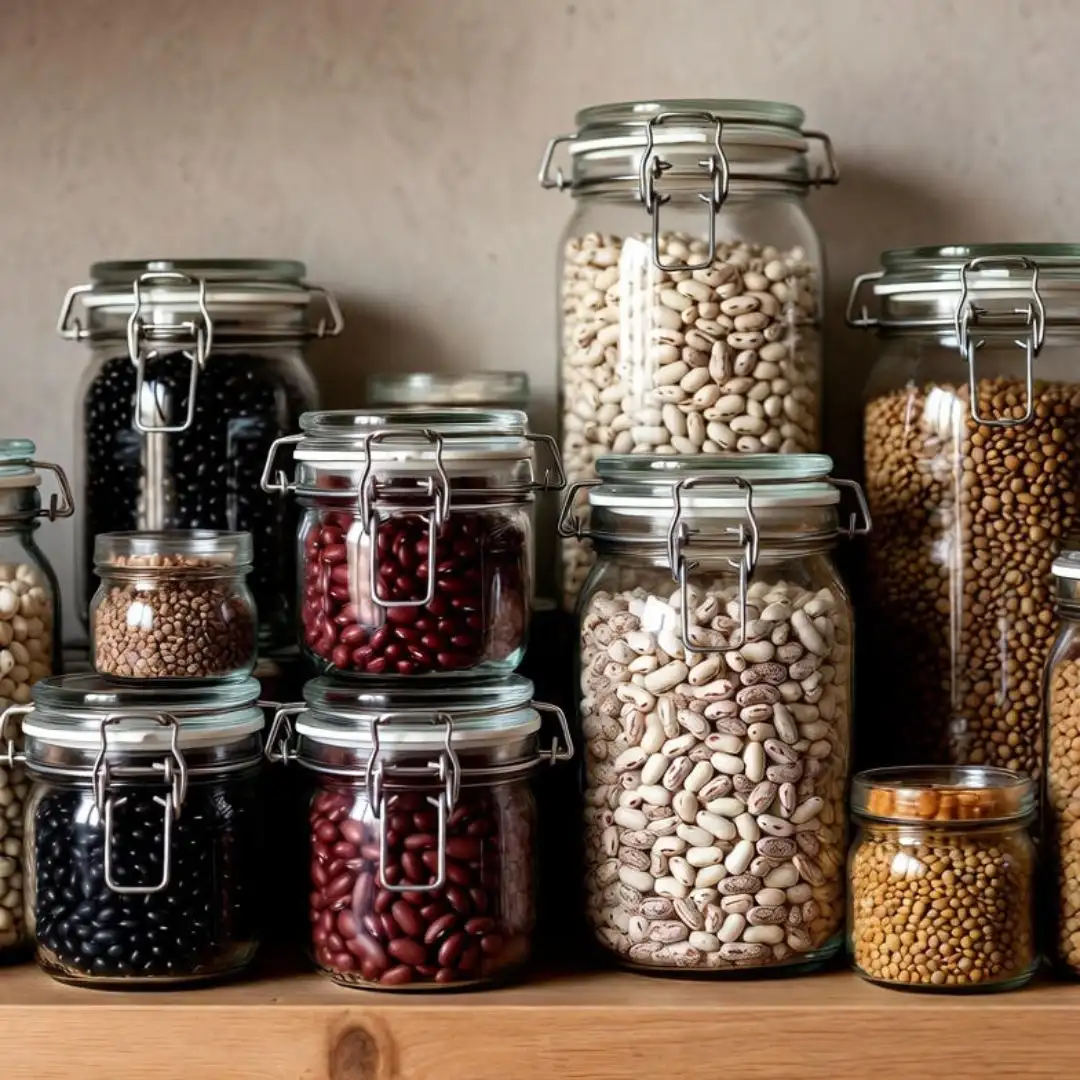
You’ve done the research. You’ve read our guide on The Best Coffee Beans of 2026 and invested in a high-quality Burr Grinder. But after a week, your morning cup starts to taste dull, flat, and uninspiring.
What went wrong? The answer is simple: Improper Storage.
Coffee beans are an agricultural product. From the moment they leave the roaster, they are in a race against time. In 2026, with the rising cost of specialty micro-lots, learning how to store your beans correctly isn’t just about taste—it’s about protecting your investment. This Zaidly guide will teach you the science of coffee preservation.
1. The 4 Enemies of Coffee Freshness
To keep coffee fresh, you must defend it against four environmental factors that accelerate staleness. At Zaidly, we call these the “Flavor Killers”:
1. Oxygen (Oxidation)
Oxygen is the primary enemy. When coffee oils are exposed to air, they oxidize, creating those “stale” or “cardboard” flavors. This is why pre-ground coffee loses its magic within minutes—the surface area exposed to oxygen is thousands of times greater than that of whole beans.
2. Moisture (Humidity)
Coffee is hygroscopic, meaning it absorbs moisture from the air. High humidity can trigger mold growth or simply wash away the delicate aromatic oils that give coffee its unique profile.
3. Light (UV Rays)
Photodegradation occurs when UV rays break down the chemical compounds in the beans. This is why you should never store coffee in clear glass jars on a sunny countertop.
4. Heat
Heat accelerates chemical reactions. If your coffee is stored near an oven or in a cabinet that catches the afternoon sun, it will age significantly faster.
2. The Golden Rule: Whole Bean Only
If you take only one thing from this guide, let it be this: Only buy whole-bean coffee. Grinding coffee breaks the cellular structure of the bean, releasing CO2 and exposing the oils to immediate oxidation. Even the best storage container cannot save pre-ground coffee. If you haven’t upgraded your setup yet, check out our Coffee Gear Authority section to find a grinder that fits your budget.
3. The Fridge and Freezer Debate: Settled for 2026
For decades, people have argued about whether coffee belongs in the fridge. In 2026, the consensus among specialty baristas is clear:
- The Fridge: NO. The refrigerator is a humid, dark environment full of food odors (onions, leftovers). Because coffee is porous, it will act like baking soda and absorb those smells. Plus, the constant temperature fluctuations every time you open the door cause condensation inside the bag.
- The Freezer: YES (With a Catch). You can freeze coffee to stall the aging process, but only if it is vacuum-sealed and you don’t take it in and out. Only freeze beans if you’ve bought more than you can drink in three weeks. When you’re ready to use them, let them thaw completely before opening the seal.
4. Best Storage Practices for Your Kitchen
So, where should you keep your daily beans? Follow the Zaidly Storage Checklist:
- Air-Tight is Not Enough: A standard jar still has a “headspace” of air inside. The best containers are Vacuum Canisters or Airtight Tins that use a plunger to push the air out.
- Opaque Containers: Use ceramic, stainless steel, or tinted glass to block out UV rays.
- The Original Bag: Many specialty coffee bags come with a “One-Way Valve.” This valve allows CO2 (which beans release naturally) to escape while preventing oxygen from entering. If the bag has a good resealable zipper, keeping it in the original bag inside a dark pantry is actually a great low-cost option.
- The Pantry is King: Store your coffee in a cool, dry cupboard away from the stove and the sink.
5. Maintenance for Your Storage Gear
Just like your brewing equipment needs Maintenance Tools, your storage containers need care. Over time, coffee oils will build up on the inside of your canisters. These old oils will turn rancid and contaminate your fresh beans.
Pro-Tip: Wash your coffee canisters with scent-free soap every time you finish a bag of beans. Ensure they are 100% dry before adding a new batch.
6. How Long Does Coffee Actually Last?
In the specialty world, we talk about “The Peak Window.”
- 0-7 Days: The beans are still “degassing” (releasing CO2). They might be too bubbly for a perfect Pour Over.
- 7-21 Days: The Peak. This is when the flavors are most vibrant and balanced.
- 21-45 Days: The flavors start to flatten, but the coffee is still very drinkable.
- 45+ Days: The coffee begins to taste woody or stale. This is the time to use these beans for Cold Brew, where the long immersion time can still extract some sweetness.
Final Verdict: Protect the Flavor
You put a lot of effort into choosing the right roast and the right brewer. Don’t let a bad storage habit ruin your experience. By controlling the environment, you ensure that every cup of Zaidly-inspired coffee is as fresh as the roaster intended.
Support Our Mission for Better Coffee
At Zaidly, we believe that everyone deserves a perfect cup of coffee. We don’t take money from container manufacturers or roasters. Our advice is based on science and hundreds of hours of testing.
If this storage guide saved your beans from the trash can, consider supporting us! Your contributions on Ko-fi help us keep this platform alive and allow us to continue producing deep-dive guides for the coffee community. Click the blue support button to buy us a coffee—we promise to keep ours stored perfectly!